
Natural wine
Natural wine in Copenhagen — without the raised eyebrows
Natural wine has become a term people either swear by or roll their eyes at. Here is what it actually covers, how the types differ, why two bottles of the same grape can taste so unlike each other, and what happens when you put a charcuterie board next to one.
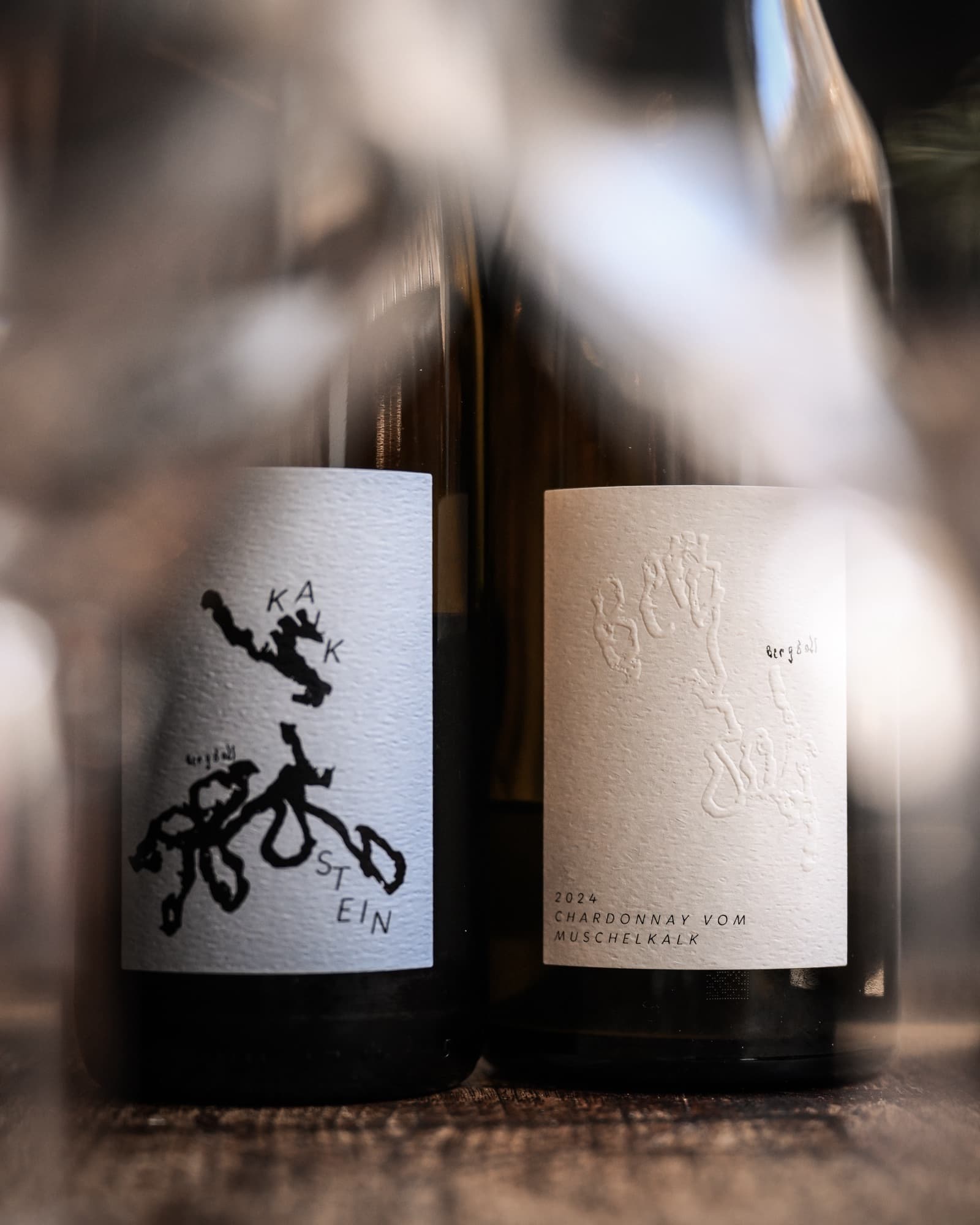
What natural wine is
There is no legal definition. In practice, natural wine means wine made with as little intervention as possible: organically or biodynamically grown grapes, spontaneous fermentation on the vineyard's own yeast rather than added cultured yeast, little or no filtration, and very little or no added sulphur.
By comparison, conventional winemaking permits around 70 additives, from acid and sugar to colour, tannin and enzymes. None of them have to appear on the label. Natural wine is largely defined by what is not in the bottle.
The consequence is that the wine tastes more of the place and the year it came from, and less of a recipe. It may be cloudy in the glass and taste different from bottle to bottle. To some that is a flaw. To us it is the point.
The types you will meet
Pét-nat
Short for pétillant naturel. The wine is bottled before fermentation finishes, so the bubbles form on their own in the bottle rather than being added. Unfiltered, often slightly cloudy, rarely the same two years running.
Orange wine
White grapes fermented on their skins, the way you would normally treat red wine. The skins give colour, tannin and a texture that surprises most people the first time. One of the oldest methods there is, not a new invention.
Low-intervention
Red and white that look entirely ordinary but are made with unusually little intervention. Often spontaneously fermented and bottled unfiltered. This is where most people start, because it resembles what they already know.
Why does it taste like that?
Four things decide most of it, long before anyone opens the bottle:
- The soil
- Limestone often gives saline freshness and a taut acidity. Slate can bring a smoky, almost flinty note. Sand and clay tend to give softer, rounder wines. The same grape on two soils becomes two wines.
- Climate and the year
- A cool climate gives higher acidity and lower alcohol; a warm one gives riper fruit and more alcohol. And because natural wine is not adjusted with acid or sugar, you can taste the difference between a cold summer and a hot one.
- The yeast
- Added cultured yeast is chosen to give a predictable result. The vineyard's own wild yeast works more slowly and less predictably, and often leaves a broader, spicier flavour.
- The vessel
- Steel keeps the wine clean and fruity. Oak adds spice and structure. Clay and concrete sit in between, letting the wine breathe without adding flavour. The choice is clearly audible in the glass.
Where to start
You don't need to commit to a whole bottle to find out whether you like it. We always have several natural wines open by the glass. If you like something dry and crisp, there is natural wine that tastes like that; if you like a fuller red, that exists too. The word describes the method, not the flavour.
Come and taste
We are at Istedgade 29 in the middle of Vesterbro. Wednesday to Saturday from 15.30.